



Medical billing & revenue cycle management

Revenue cycle support that keeps every next action visible.

ShanMedTech helps healthcare organizations manage medical billing, claims, A/R, credentialing, and patient operations through structured, accountable workflows.

  • Medical billing
  • A/R and denials
  • Practice operations
Start a conversation

Tell us where the workflow is getting stuck.

Share a few business details and the service area you want to discuss.

Business inquiries only. Read our privacy notice.

Built for your operating model

Different teams. Different starting points.

Find the work that needs attention, then explore the support that fits.

Keep a small team focused on the right work.

Separate daily claim preparation from the interruptions that consume front-office time. Start with the queue your team cannot consistently get back to.

  • Unsubmitted encounters
  • Coverage questions before visits
  • Unanswered payer follow-ups
Explore practice billing support

Medical Billing & RCM

Day-to-day billing support organized around your practice’s charge, claim, payment, and follow-up workflows.

Medical billing workflow connecting claim preparation, payer processing, payment, and follow-up

Medical Billing & RCM

  • Claim preparation and submission workflow support
  • Claim-status and exception tracking
  • Payment-posting workflow support
  • Open-item follow-up documentation
  1. 01Match the encounter
  2. 02Track the submission
  3. 03Close the account loop
Explore Medical Billing & RCM

Revenue-cycle workflow

A clear path from eligibility to reporting.

Select a stage to see how day-to-day work is organized and where practice ownership remains essential.

Selected stage

Verify

Confirm the information and benefit details needed to prepare a clean, well-documented claim workflow.

Responsibility boundary

ShanMedTech organizes verification activity and exceptions; the provider supplies current patient, payer, and clinical-office information.

01 · InputReady work identified
02 · ActionVerify activity documented
03 · HandoffNext owner made visible
Read every workflow stage
  1. VerifyConfirm the information and benefit details needed to prepare a clean, well-documented claim workflow.Responsibility: ShanMedTech organizes verification activity and exceptions; the provider supplies current patient, payer, and clinical-office information.
  2. CodeTranslate supported documentation into a review-ready coding and charge workflow appropriate to the engagement.Responsibility: ShanMedTech supports coding workflow and issue escalation; providers retain documentation, clinical judgment, and final approval.
  3. SubmitPrepare claims for submission, monitor acknowledgements, and surface exceptions that require attention.Responsibility: ShanMedTech manages the agreed submission workflow; the client maintains required authorizations, payer relationships, and system access.
  4. Follow UpWork open items through a documented follow-up process that keeps payer responses and next actions visible.Responsibility: ShanMedTech tracks and researches assigned accounts; the client supports escalations that require provider or payer-side action.
  5. PostReconcile payment activity and identify items that need review before account status is finalized.Responsibility: ShanMedTech follows the agreed posting process; the client retains control of financial policy, approvals, and system permissions.
  6. ReportTurn workflow activity into an operational view of open work, payer patterns, and agreed priorities.Responsibility: ShanMedTech prepares engagement reporting; the client uses those insights to direct practice decisions and operational priorities.

See the work clearly.

A structured example of how claim status, follow-up priorities, and payment activity can remain visible.

Illustrative records only. This is not a live platform or client dashboard.

Workflow view

Illustrative RCM workspace

Claim StatusDenial CategoryDays in A/RPayment StatusFollow-up Priority
Claim-readyInputs verifiedNot applicablePre-submitNot postedRoutine
AcknowledgementResponse receivedEdit reviewSubmittedNot postedMedium
ExceptionOwner identifiedDocumentationOn holdNot postedHigh

Specialty operations

Built around the realities of your specialty.

Specialty focus

Primary Care

Revenue-cycle support for primary care workflows that span preventive, chronic, and episodic care.

Primary care teams manage broad visit patterns, recurring patient relationships, and frequent coordination between front office, clinical documentation, and payer requirements. Operational support needs to keep routine work moving without flattening meaningful differences between services.

Operational considerations

  • Preventive and problem-oriented visit documentation workflows
  • Coverage and referral questions that affect scheduled care
  • Recurring follow-up and patient-account communication

Relevant capabilities

  • Eligibility verification
  • Medical billing and claim workflow support
  • A/R follow-up and patient operations coordination
Explore Primary Care
Primary care physician consulting with a patient in a modern practice setting
Specialty visualPrimary Care
Read every specialty summary
  • Primary CareRevenue-cycle support for primary care workflows that span preventive, chronic, and episodic care.Primary care teams manage broad visit patterns, recurring patient relationships, and frequent coordination between front office, clinical documentation, and payer requirements. Operational support needs to keep routine work moving without flattening meaningful differences between services.Operational considerations: Preventive and problem-oriented visit documentation workflows; Coverage and referral questions that affect scheduled care; Recurring follow-up and patient-account communicationRelevant capabilities: Eligibility verification; Medical billing and claim workflow support; A/R follow-up and patient operations coordination
  • CardiologyOperational support for cardiology billing workflows where procedure, diagnostic, and follow-up activity intersect.Cardiology operations can involve office visits, diagnostic services, procedural documentation, and coordination across settings. The billing workflow benefits from clear handling of documentation questions, payer edits, and ownership between the practice and supporting teams.Operational considerations: Diagnostic and procedural documentation handoffs; Coding and modifier workflow questions; Payer edits and authorization-related office coordinationRelevant capabilities: Medical coding workflow support; Eligibility and benefits verification; A/R and denial-management coordination
  • Internal MedicineRevenue-cycle coordination for internal medicine practices managing complex longitudinal patient relationships.Internal medicine teams often balance established-patient care, chronic conditions, referrals, and varied payer requirements. Support must preserve a disciplined link between office workflows, documentation questions, and follow-up priorities.Operational considerations: Longitudinal patient-account workflows; Referral and coverage coordination; Documentation questions across varied visit typesRelevant capabilities: Revenue-cycle management support; Eligibility verification; Medical coding and A/R follow-up workflows
  • OrthopedicsBilling and operational workflow support for orthopedic practices with imaging, procedural, and follow-up complexity.Orthopedic practices may coordinate evaluation, imaging, procedures, durable supplies, therapy relationships, and post-treatment follow-up. Clear documentation and payer workflows help separate what needs practice direction from what can proceed through routine operational support.Operational considerations: Procedure and documentation workflow coordination; Imaging, supply, and payer-edit handoffs; Referral and authorization-related office dependenciesRelevant capabilities: Medical billing workflow support; Coding and claim-readiness coordination; Denial research and A/R follow-up
  • Behavioral HealthOperational revenue-cycle support for behavioral health practices with privacy-conscious administrative workflows.Behavioral health billing workflows can involve recurring appointments, coverage limits, authorization coordination, and sensitive administrative handoffs. Support should be carefully scoped so non-clinical work remains distinct from care decisions and protected information is handled only through approved engagement processes.Operational considerations: Recurring appointment and coverage workflows; Authorization and payer-response coordination; Clear non-clinical escalation boundariesRelevant capabilities: Eligibility verification; Revenue-cycle workflow coordination; Patient operations support within client-approved boundaries
  • LaboratoryBilling workflow support for laboratories managing ordering, coverage, documentation, and payer follow-up needs.Laboratory billing operations depend on accurate administrative inputs, ordering documentation, coverage rules, and clear follow-up when a payer response identifies an exception. Teams need a workflow that makes those dependencies visible without making unsupported assumptions about reimbursement.Operational considerations: Ordering and coverage documentation handoffs; Payer-specific billing and edit workflows; High-volume exception organization and follow-upRelevant capabilities: Eligibility verification workflow support; Medical billing and claim-status coordination; A/R and denial-management support
  • DMEOperational billing support for DME organizations with documentation, coverage, fulfillment, and follow-up dependencies.DME billing can involve detailed coverage requirements, supporting documentation, product-related administrative steps, and payer follow-up after submission. A structured workflow helps show what is complete, what is pending, and which party owns the next action.Operational considerations: Coverage and documentation readiness; Product-related administrative handoffs; Payer responses, denials, and account follow-upRelevant capabilities: Eligibility and benefits verification; Medical billing workflow support; A/R and denial-management coordination
  • Multi-Specialty GroupsRevenue-cycle coordination for groups that need shared operational standards without losing specialty context.Multi-specialty organizations balance common administrative processes with specialty-specific documentation, payer, and work-queue needs. A useful support model creates common reporting and escalation rules while allowing each service line’s workflow to remain intelligible.Operational considerations: Shared revenue-cycle governance and service-line ownership; Specialty-specific coding and documentation questions; Cross-team reporting, escalations, and operational handoffsRelevant capabilities: Revenue-cycle management support; Specialty-aware billing workflow coordination; Credentialing, patient operations, and A/R support as scoped
  • Allergy & ImmunologyBilling and revenue-cycle support for allergy and immunology practices managing visits, testing, treatment, and recurring therapy workflows.Allergy and immunology operations can combine evaluation, diagnostic testing, treatment plans, immunotherapy activity, recurring appointments, and payer-specific coverage requirements. The revenue-cycle workflow needs to keep service documentation, benefit details, charge activity, and unresolved payer questions connected to the correct visit or treatment episode.Operational considerations: Testing, treatment, and recurring-service documentation handoffs; Benefit, authorization, and frequency-related payer requirements; Charge review and follow-up across office and therapy workflowsRelevant capabilities: Eligibility and benefits verification; Medical billing and coding workflow support; A/R and denial follow-up coordination
  • Ambulatory Surgery CentersOperational revenue-cycle support for ambulatory surgery centers coordinating scheduled procedures, facility billing, and payer follow-up.ASC billing depends on disciplined coordination before, during, and after the scheduled procedure. Coverage, authorization, case information, facility documentation, coding inputs, and payer responses can involve different owners. A defined workflow helps separate routine processing from cases that need clinical, payer, or leadership direction.Operational considerations: Pre-service eligibility, authorization, and case-readiness handoffs; Facility claim, procedure, implant, and documentation workflows; Payer edits, denials, and case-level account follow-upRelevant capabilities: Pre-service verification support; Facility billing and claim workflow coordination; A/R and denial-management support
  • DermatologyRevenue-cycle support for dermatology practices balancing office visits, procedures, pathology coordination, and recurring treatment.Dermatology billing can span evaluation, medical and surgical procedures, pathology-related handoffs, supplies, and recurring treatment plans. Operational support needs to preserve the link between documentation, charge entry, coding questions, payer requirements, and follow-up without making assumptions about clinical intent.Operational considerations: Office, procedure, and pathology documentation relationships; Coding, modifier, and medical-necessity workflow questions; Authorization, payer-edit, and denial follow-upRelevant capabilities: Medical coding workflow support; Claim preparation and submission support; Denial research and A/R follow-up
  • Emergency MedicineHigh-volume revenue-cycle workflow support for emergency medicine organizations and physician groups.Emergency medicine revenue cycles must organize high-volume encounters, facility and professional information, patient demographics, documentation readiness, coverage research, and payer responses after unscheduled care. A visible exception process is essential because missing information and ownership questions can surface after the encounter.Operational considerations: High-volume encounter and demographic intake workflows; Facility-to-professional documentation and charge handoffs; Coverage research, payer edits, and unresolved account follow-upRelevant capabilities: Claim-readiness and coding workflow support; Eligibility and coverage research support; A/R and denial-management coordination
  • ENT / OtolaryngologyBilling workflow support for ENT practices managing office, diagnostic, surgical, and follow-up services.ENT operations can cross office visits, diagnostic testing, procedures, surgery, and postoperative follow-up. Revenue-cycle teams benefit from a structured view of authorization requirements, documentation dependencies, coding questions, global-service considerations, and payer follow-up.Operational considerations: Diagnostic, procedure, and surgical documentation handoffs; Authorization, referral, and global-service workflow questions; Coding edits, payer responses, and follow-up ownershipRelevant capabilities: Eligibility and authorization workflow support; Medical billing and coding coordination; A/R and denial follow-up
  • FQHCRevenue-cycle operations support for federally qualified health centers with varied programs, payer types, and reporting needs.FQHC workflows can span medical, behavioral, preventive, and enabling services while involving payer-specific billing methods and internal program requirements. Support needs to follow the organization’s established rules, maintain service-line context, and make exceptions visible to the leaders who retain policy and program authority.Operational considerations: Program, encounter, and payer-specific billing workflows; Multi-service documentation and charge handoffs; Exception routing, account follow-up, and operational reportingRelevant capabilities: Revenue-cycle workflow coordination; Eligibility and claim support; A/R, denial, and patient-operations support as scoped
  • GastroenterologyRevenue-cycle support for gastroenterology practices coordinating office care, endoscopy, procedures, and facility relationships.Gastroenterology billing may connect office visits, diagnostic procedures, endoscopy, pathology, anesthesia or facility relationships, and follow-up care. A structured process helps keep pre-service requirements, documentation, coding questions, and payer responses connected across the episode.Operational considerations: Procedure scheduling, benefits, and authorization handoffs; Professional, facility, pathology, and related documentation workflows; Coding edits, denials, and procedure-level follow-upRelevant capabilities: Pre-service eligibility support; Medical billing and coding workflow coordination; A/R and denial-management support
  • Infectious DiseaseBilling and operational support for infectious disease practices managing complex visits, testing, therapy, and longitudinal follow-up.Infectious disease practices often manage clinically complex patient relationships, diagnostic activity, therapy coordination, and services across settings. The administrative workflow needs clear boundaries between clinical decisions and non-clinical coverage, billing, documentation-query, and follow-up activity.Operational considerations: Complex visit and longitudinal documentation handoffs; Testing, therapy, and coverage-related administrative workflows; Cross-setting claim status and payer follow-upRelevant capabilities: Eligibility and benefits verification; Medical billing and claim workflow support; A/R follow-up and exception coordination
  • NephrologyRevenue-cycle support for nephrology organizations managing office, hospital, dialysis-related, and longitudinal care workflows.Nephrology billing can involve recurring relationships, multiple places of service, dialysis-related workflows, diagnostic services, and coordination with facilities. Reliable operations depend on accurate service context, complete documentation, consistent charge handoffs, and clear routing of payer or coding exceptions.Operational considerations: Recurring, cross-setting, and facility-linked service workflows; Documentation and charge capture across longitudinal care; Payer edits, denials, and account follow-up by service contextRelevant capabilities: Revenue-cycle management support; Coding and claim-readiness coordination; A/R and denial follow-up
  • NeurologyBilling workflow support for neurology practices with diagnostic, procedural, and longitudinal patient-care operations.Neurology revenue-cycle work may connect detailed evaluations, diagnostic testing, procedures, medication-related workflows, and recurring follow-up. Administrative teams need a consistent way to track authorization needs, documentation questions, coding edits, and payer responses without crossing into clinical decision-making.Operational considerations: Evaluation, diagnostic, procedure, and follow-up handoffs; Authorization and benefit requirements for selected services; Documentation queries, coding edits, and denial follow-upRelevant capabilities: Eligibility and authorization support; Medical coding and billing workflow support; A/R and denial-management coordination
  • Nursing FacilitiesOperational billing support for provider organizations delivering services in skilled nursing and long-term care settings.Services delivered in nursing facilities can involve recurring rounds, multiple providers, facility census or location information, longitudinal documentation, and payer-specific requirements. A structured workflow helps keep encounter data, place of service, charge activity, and unresolved items aligned.Operational considerations: Facility census, encounter, and place-of-service coordination; Recurring provider documentation and charge workflows; Coverage, payer response, and account follow-upRelevant capabilities: Encounter and claim-readiness support; Medical billing workflow coordination; A/R and exception follow-up
  • OB/GYNRevenue-cycle support for OB/GYN practices managing preventive, prenatal, procedural, surgical, and postpartum workflows.OB/GYN billing spans preventive and problem-focused visits, maternity episodes, diagnostic services, procedures, surgery, and follow-up. Operational support needs to maintain episode context, recognize payer and authorization dependencies, and route documentation or coding questions to the correct practice owner.Operational considerations: Maternity episode, visit, procedure, and global-service workflows; Eligibility, authorization, and benefit changes across an episode; Coding, documentation, payer-edit, and denial follow-upRelevant capabilities: Eligibility and benefits verification; Medical billing and coding workflow support; A/R and denial-management support
  • OncologyCareful revenue-cycle workflow support for oncology practices with complex coverage, treatment, and account dependencies.Oncology operations can include evaluation, treatment planning, recurring therapy, medication-related requirements, testing, and services across multiple settings. Administrative support must be precisely scoped, preserve clinical ownership, and maintain a clear trail for authorizations, documentation, charge activity, payer responses, and patient-account handoffs.Operational considerations: Treatment-cycle and recurring-service administrative workflows; Authorization, benefits, and documentation dependencies; High-value claim, denial, and escalation follow-upRelevant capabilities: Eligibility and authorization workflow support; Claim-readiness and billing coordination; A/R, denial, and escalation tracking
  • OphthalmologyBilling support for ophthalmology practices combining office, diagnostic, procedural, and surgical care.Ophthalmology revenue cycles can connect examinations, diagnostic tests, office procedures, surgery, supplies, and postoperative care. The workflow benefits from clear pre-service checks, documentation and coding handoffs, global-service awareness, and organized payer follow-up.Operational considerations: Diagnostic, procedure, surgical, and postoperative workflows; Benefits, authorization, and supply-related administrative questions; Coding edits, global-service questions, and denial follow-upRelevant capabilities: Eligibility and authorization support; Medical billing and coding coordination; A/R and denial-management support
  • Pain ManagementRevenue-cycle workflow support for pain management practices with authorization-intensive procedural operations.Pain management practices may coordinate evaluation, diagnostic information, procedures, recurring treatment, medication-related workflows, and extensive payer requirements. Operational support must keep authorization, documentation, coding, and follow-up dependencies visible while clinical decisions remain entirely with the provider.Operational considerations: Authorization and medical-record administrative handoffs; Procedure, imaging, and recurring-treatment billing workflows; Payer edits, denials, appeals support, and escalation routingRelevant capabilities: Eligibility and authorization coordination; Medical billing and coding workflow support; Denial research and A/R follow-up
  • PathologyBilling workflow support for pathology organizations managing high-volume case information, professional services, and payer follow-up.Pathology billing relies on accurate case, ordering, specimen, service, and provider information moving into the revenue-cycle process. A defined exception workflow helps teams identify missing administrative inputs, coding questions, payer edits, and follow-up ownership across high-volume queues.Operational considerations: Case, ordering, specimen, and professional-service data handoffs; Coding and claim-readiness review across varied case types; High-volume payer edits, denials, and account follow-upRelevant capabilities: Data-intake and claim-readiness support; Medical coding and billing workflow coordination; A/R and denial-management support
  • PediatricsRevenue-cycle support for pediatric practices managing preventive, acute, chronic, and family-facing workflows.Pediatric operations combine preventive schedules, problem visits, vaccinations, age-dependent benefits, changing coverage, and communication with parents or guardians. A useful billing workflow organizes eligibility, documentation, charge, payer, and account questions while keeping patient-care and financial policies with the practice.Operational considerations: Preventive, problem-oriented, and immunization-related workflows; Coverage changes and guardian-facing administrative handoffs; Claim edits, payer response, and patient-account follow-upRelevant capabilities: Eligibility and benefits verification; Medical billing and claim workflow support; A/R and patient-operations coordination
  • PodiatryBilling and revenue-cycle support for podiatry practices providing office, procedural, surgical, and recurring care.Podiatry billing may involve office visits, diagnostic activity, procedures, surgery, supplies, and recurring medically necessary services. Teams need an organized way to connect documentation, benefit requirements, coding questions, modifiers, and payer follow-up to the service performed.Operational considerations: Routine, procedural, surgical, and recurring-service workflows; Coverage, documentation, and frequency-related requirements; Coding edits, payer denials, and account follow-upRelevant capabilities: Eligibility and benefits verification; Medical billing and coding workflow support; A/R and denial-management coordination
  • PulmonologyRevenue-cycle workflow support for pulmonology practices coordinating evaluation, diagnostics, procedures, and chronic care.Pulmonology operations can span office care, pulmonary testing, procedures, sleep-related workflows, equipment relationships, and longitudinal follow-up. Administrative support needs to keep documentation, benefits, authorization, coding, and payer-response questions connected to the proper service context.Operational considerations: Office, diagnostic, procedure, and sleep-related workflows; Authorization, benefits, and equipment-related administrative handoffs; Coding edits, denials, and longitudinal account follow-upRelevant capabilities: Eligibility and authorization support; Medical billing and coding coordination; A/R and denial follow-up
  • UrologyBilling workflow support for urology practices with office, diagnostic, procedural, surgical, and follow-up services.Urology revenue cycles can involve office evaluation, diagnostic testing, procedures, surgery, supplies, and recurring treatment. Defined handoffs help teams coordinate benefits, authorization, documentation, coding, payer responses, and account follow-up without losing the context of the service episode.Operational considerations: Diagnostic, procedure, surgical, and supply workflows; Benefits, authorization, and documentation requirements; Coding edits, global-service questions, and denial follow-upRelevant capabilities: Eligibility and authorization support; Medical billing and coding workflow coordination; A/R and denial-management support
  • Urgent CareHigh-volume billing and revenue-cycle support for urgent care centers managing unscheduled, episodic patient encounters.Urgent care operations require quick intake, coverage review, documentation, charge movement, and exception handling across a varied daily encounter mix. Revenue-cycle support needs to organize high-volume queues, surface missing inputs quickly, and maintain consistent payer and account follow-up.Operational considerations: High-volume demographic, eligibility, and encounter intake; Varied visit, testing, procedure, and supply workflows; Rapid claim exception, payer response, and account follow-upRelevant capabilities: Eligibility verification support; Medical billing and claim workflow coordination; A/R and denial-management support
  • Wound CareRevenue-cycle workflow support for wound-care organizations managing recurring services, procedures, supplies, and documentation dependencies.Wound-care billing often involves recurring encounters, detailed documentation, procedures, products or supplies, coverage rules, and services across settings. Operational support must keep episode information, documentation questions, charge activity, payer requirements, and follow-up ownership visible throughout the course of care.Operational considerations: Recurring encounter and longitudinal documentation workflows; Procedure, product, supply, and coverage-related handoffs; Payer edits, denials, and episode-level account follow-upRelevant capabilities: Eligibility and benefits verification; Medical billing and coding workflow support; A/R and denial-management coordination

Operational support for RPM, CCM, and patient enrollment.

Support can be scoped around eligibility, education, enrollment, onboarding, ongoing engagement, and clear operational reporting.

Providers retain clinical decisions, medical necessity, patient care, orders, and final approval.

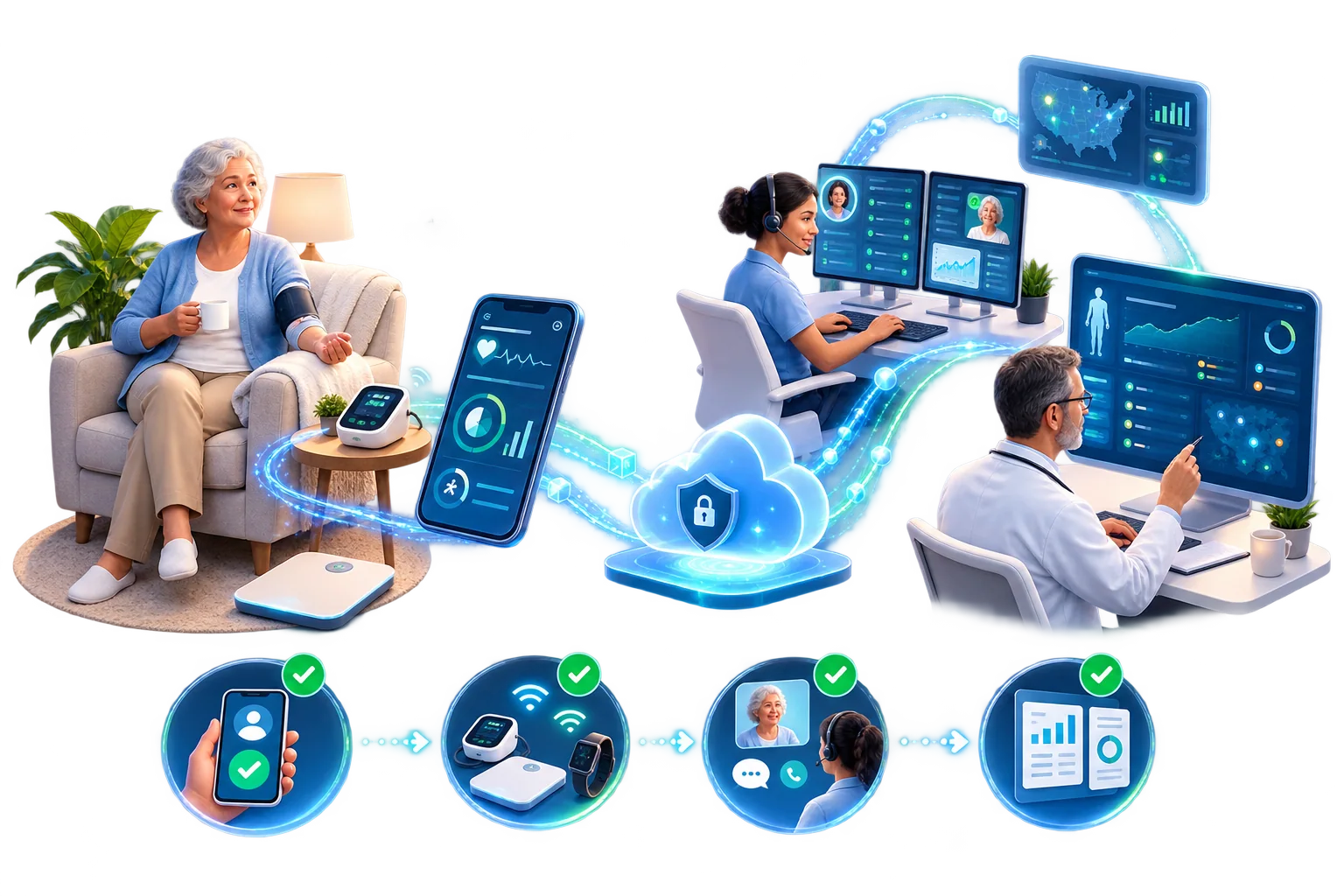
Connected RPM and CCM ecosystem linking a patient at home with monitoring devices, enrollment support, a coordinator, and provider reporting
  1. 1

    Eligibility support

  2. 2

    Outreach and patient education

  3. 3

    Enrollment and consent support

  4. 4

    Device/onboarding coordination where applicable

  5. 5

    Engagement and follow-up

  6. 6

    Operational reporting

Flexible ways to work together.

Each engagement begins with a defined audience, scope, responsibility boundary, and practical next step.

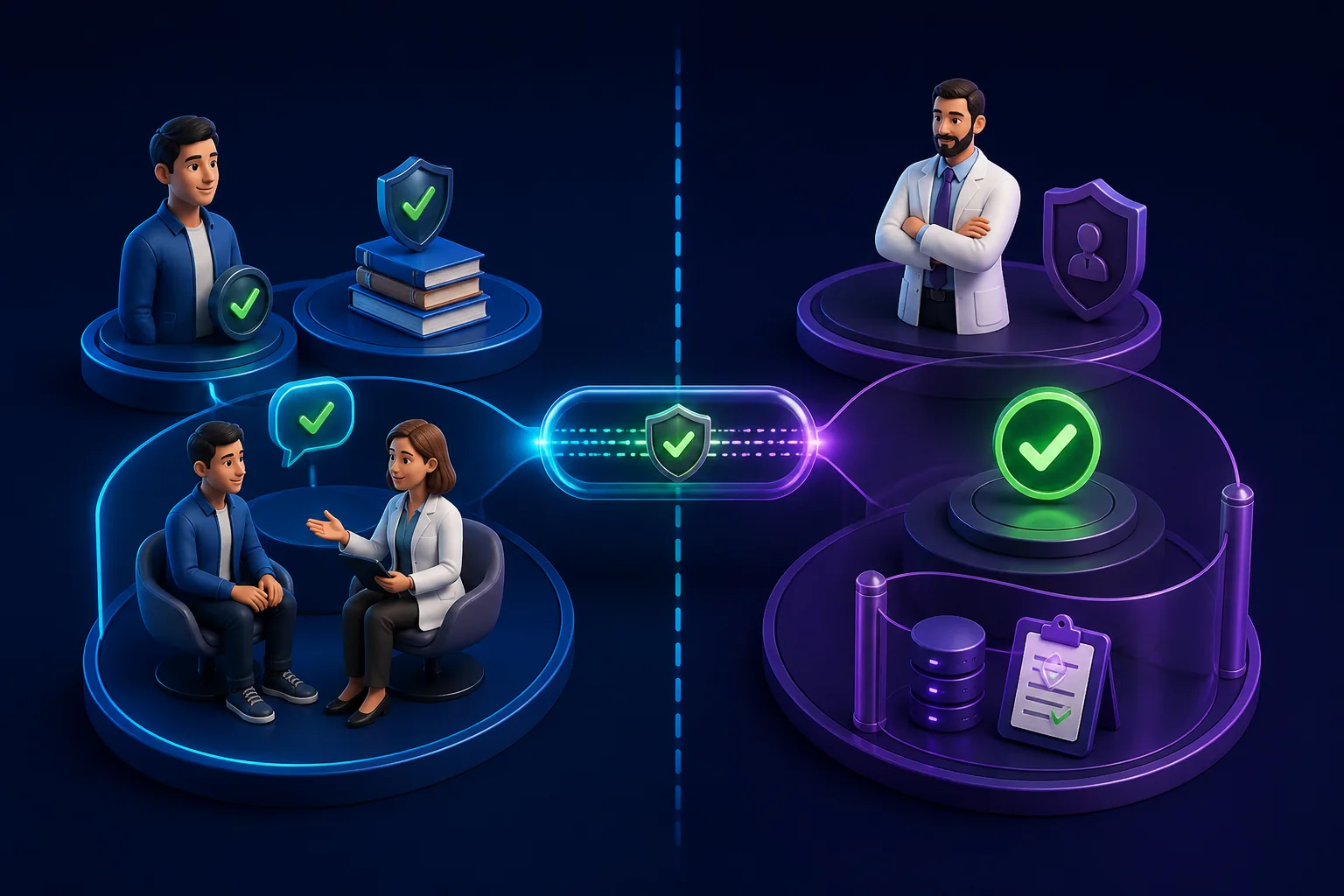
Three-dimensional healthcare partnership scene connecting white-label operations, patient enrollment, and billing technology support

White-label operational support

Audience
Billing, care-management, and healthcare-service organizations adding defined operational capacity.
Scope
Documented back-office workflows delivered within agreed handoffs, systems, access boundaries, and escalation paths.
Next step
Identify the workflow, ownership model, and communication requirements that need support.

Enrollment partnerships

Audience
RPM, CCM, and care-program organizations seeking operational help with patient outreach and enrollment.
Scope
Eligibility support, education, consent support, onboarding coordination where applicable, and follow-up within an agreed process.
Next step
Review the target workflow, provider handoffs, consent process, systems, and operational reporting needs.

Billing/RCM and healthcare-technology support

Audience
Practices, billing organizations, and healthcare-technology teams with a defined revenue-cycle or patient-operations need.
Scope
Selected billing, eligibility, A/R, credentialing, patient-support, or workflow-administration functions.
Next step
Map the current process, desired support boundary, system touchpoints, exceptions, and review cadence.

Insights, articles & operating guides

A growing knowledge center for the work behind the revenue cycle.

Explore all resources

Frequently asked questions

Practical answers before the first conversation.

Review the available services, supported operating contexts, partnership approach, and public-inquiry boundaries.

Search all frequently asked questions →

A scope can include defined portions of claim preparation, submission monitoring, rejection handling, payment-posting workflow, account follow-up, denial queues, reporting, or a connected revenue-cycle process. The exact responsibilities, systems, approvals, and exclusions are documented before work begins.

Let's review your workflow.

Share the business context, service area, and operating challenge you want to discuss.

  1. 01 Describe the business need
  2. 02 Receive a saved-request reference
  3. 03 Discuss scope and responsibilities

Business contact details only. No patient names, records, insurance IDs, or medical information. Read our privacy notice.